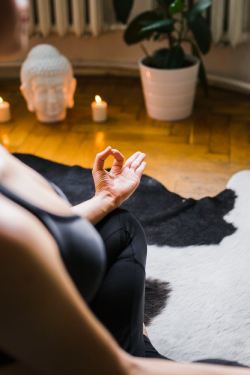
If your mind feels like it never quite switches off, or your body carries tension you can't seem to shake, you're not alone. Daily meditation offers a practical way to restore that connection between mental calm and physical ease - no retreat required, no hour-long sessions. This article covers how meditation supports mind-body balance, which simple practices are worth starting with, and how to build a routine that actually holds.
Mind-body balance is that point when the mental and physical health cease fighting each other. When a person is chronically stressed, the body is full of signs-afflicted shoulders, increase in respiratory rate, disturbed sleep, and a resistive mind. But are they really different issues? Aren't they the joint outcome of a common aberration?
Regular meditation takes alternation of that flow. When you slow your breath and put your attention on the present moment, it is like a whole nudge toward rest and repair in the nervous system. Research published in Psychosomatic Medicine reveals that through continuous mindfulness practice, average cortisol levels are reduced and emotional regulation is overwhelmingly enhanced whereby you are not affected as much by stress and recover far quicker.
Rather simple mechanism It is. Slow, regular breathing raises the parasympathetic nervous system, known to slow down the heart rate and relax muscles. While focusing on an isolated item during meditation.
The brain can develop an ability to control emotional responses over time, especially in parts of the prefrontal cortex.
Even 10 minutes can show changes once each day. People get better sleep, reduce physical tension, and build emotional serenity over time. Consistently is more important compared to the minutes.
Starting small is the whole point. These five practices range from two minutes to fifteen and can slot into a morning routine, a lunch break, or the last moments before sleep.
Habit formation works best when a new behavior borrows momentum from an existing one. Attach your meditation to something you already do without thinking - morning coffee, brushing your teeth, or sitting down after lunch. That anchor removes the daily decision of when to start.
Two to five minutes is genuinely enough at the beginning. Set a timer so you're not clock-watching, and choose a spot that requires zero setup. A specific chair, a corner of the bedroom floor - low friction matters more than atmosphere.
Restlessness is probably the most common reason people quit early. A wandering mind isn't a sign you're doing it wrong; it's literally what minds do. The practice is noticing the drift and returning, not preventing it. Quiet surroundings help, but they're not required.
Self-judgment tends to creep in around week two, when the novelty fades. Some people track their sessions with a simple tally in a notebook - not to measure performance, but to see the streak grow. That small visual record builds more motivation than most people expect.
Start with three days a week before committing to daily practice. Consistency over perfection is what actually produces results, and giving yourself room to miss a session without quitting entirely is the habit that sustains everything else.
Duration of the consistency in practice is more important. A 10-minute session every morning can achieve more for relaxation and mental ills than an occasional hour of stressful meditation, most of which you do skip. Mind-body balance is not a destination; it is a journey-existing and evolving from minute to minute, day by day, through little acts of attention. Whichever type of practice best suits you-breath-focused sitting, a brief body scan, or mindful movement-its fees distance scales lead us to the same conclusion: regular practice acts to lower cortisol, balance affective responses, and sharpen your self-perception of physical ease. Select from the methods that fit your schedule and personality, and begin to use it. Those daily practice sessions around any one of the aforementioned methods are your starting point. It is already strong enough to start altering your body-mind relationships together for the day.